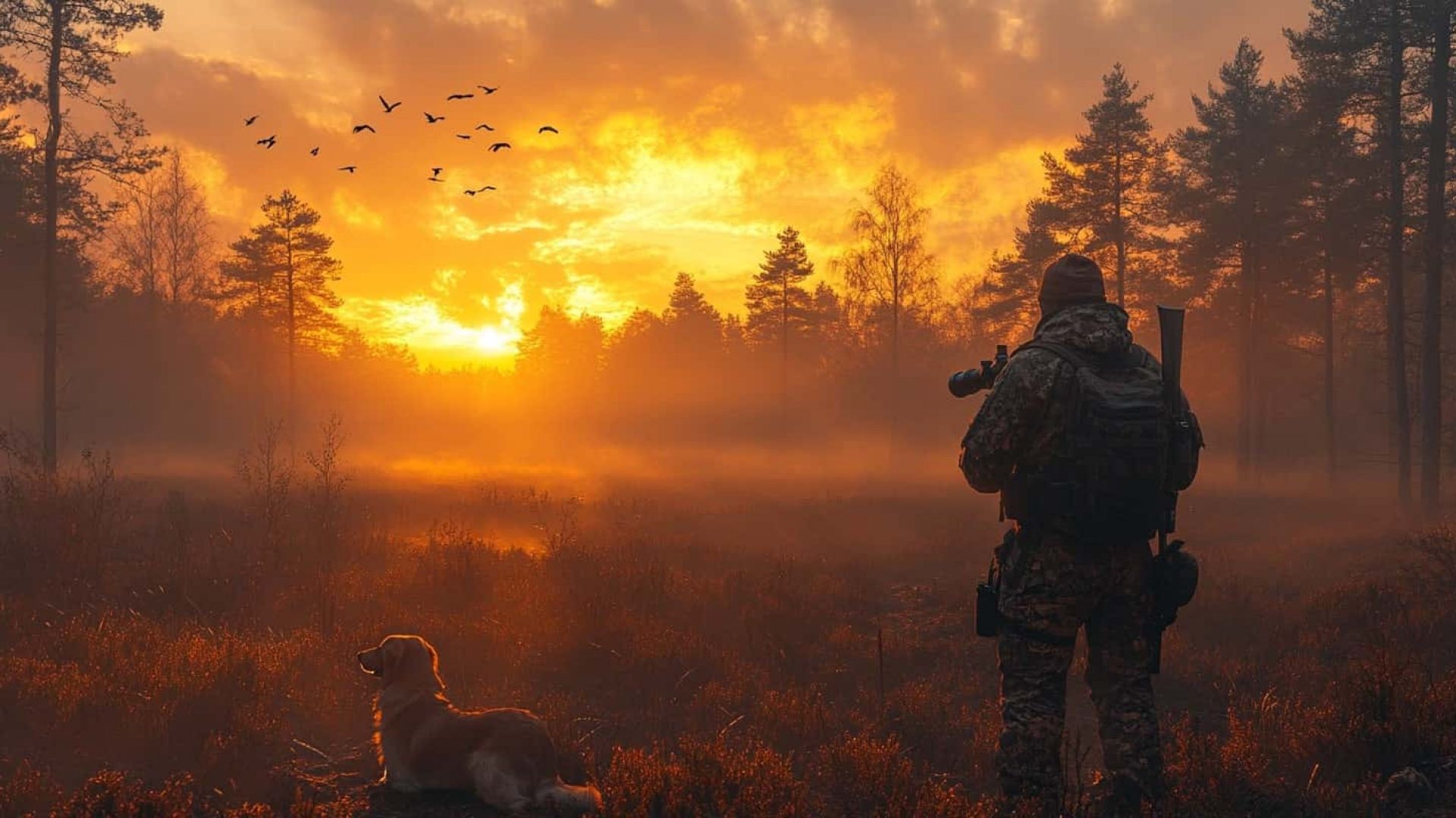
When the sun first rises the guide points to a drainage. Says that the animals were there yesterday. Your pack is heavier than you expected the weather has. The plan relies on many hours of steep travel. The space between an idea and a trip that you can handle is where bookings fail. Good hunt planning means checking the details-terrain, communication, preparation, legal limits and what happens after a shot-before you give money, time and hopes.
Define the hunt before comparing outfits
Describe the experience you want in terms. Are you looking for a back‑country hunt, a shorter outing from a fixed camp, a particular species or a chance to learn field practices? A guide cannot match the trip to you if the brief is vague.
Ask where the hunt normally takes place how far hunters travel each day what elevation and terrain are typical. What transport is used. "Back‑country" can mean different things depending on camp location pack‑out arrangements and vehicle access. Ask what happens if weather, fire, road closures or animal movement make the original plan impractical.
Compare the operating model, not the destination. A small party may provide instruction and flexibility; a larger group may offer a different social experience but less individual attention. Do not choose from photographs alone. Assume one success story represents every hunter. Confirm what the quoted price includes.
Ask questions that reveal how the trip runs
Before booking ask who your primary guide will be, how hunters that person handles and whether a substitute may be assigned. Find out how communication works before arrival what information the guide needs, when plans are finalized and how urgent changes are handled.
Ask about the routine without expecting a rigid schedule. What time do hunters typically leave camp? How much waiting, glassing, walking or field preparation is involved? Is the guide there to teach well as lead and can they explain decisions about identification shot opportunity and recovery? Clear answers show whether you share an understanding of the experience.
Discuss equipment in writing. Ask which items are mandatory what can be. Borrowed and what the guide will not supply. Clarify communication devices, meat care, trophy handling, pack‑out responsibilities, emergency procedures and transport between the meeting point and camp. Do not assume a rifle, optics, clothing system or medication will be appropriate because another hunter used it successfully.
Match logistics to your readiness
Honest self‑assessment is part of hunting‑trip preparation. A hunt may be within your ability yet still be a choice if you have not trained for sustained walking, uneven ground, cold exposure or carrying the required load. Ask for a description of the hardest day, not the average one.
Use that answer to build a preparation plan. Break in footwear test your pack practice with the equipment you will carry and confirm that you can operate it safely while tired and wearing your expected clothing. If the trip involves firearms, archery equipment or field care arrange qualified instruction well before departure rather than treating the first day as a lesson.
Tell the guide about limitations, allergies, dietary needs and medical concerns. You do not need to overshare. Withholding information can create risk for the whole party. A responsible guide should explain what support is available and where their responsibility ends. If the response is dismissive reconsider the booking.
Put ethics into the booking conversation
hunting is not a slogan added after the contract is signed. Ask how the guide handles identification marginal shot opportunities, wounded animals and retrieval in difficult terrain. The answer should leave room to pass wait or end the attempt when conditions are unsafe or the animal cannot be identified confidently.
Ask how the operation approaches chase, baiting, electronic equipment, animal recovery and meat use under applicable rules. Practices differ by jurisdiction, species and land status so do not rely on reputation or an old account from another hunter. You are responsible for ensuring that accepted methods fit both the law and your standards.
Before booking confirm the target and method how a questionable shot is handled the recovery and meat plan and who makes the safety call. State what you will not participate in. These conversations are easier before the trip than beside an animal.
Verify rules before departure
Regulations can change after a deposit is paid. Licensing, tags, season dates, weapon restrictions, transport rules, reporting duties and land access conditions may be controlled by authorities. A guide can offer direction but verbal advice is not a substitute for current official requirements.
Check the wildlife agency and land manager guidance before traveling then check again close to departure. Ask which documents, identification, hunter education records, permits or tags you must carry and who is responsible for obtaining each one. Get answers in writing where possible especially if the trip crosses boundaries or involves public land.
A available tag does not guarantee a legal opportunity in the field. Local closures, emergency orders, species‑specific limits and access restrictions can alter the plan. If the guide cannot explain how changing rules are monitored, pause and verify the details yourself.
Treat conservation, as part of the purchase
The quality of a guided trip is also reflected in how it treats habitat, wildlife and local communities. Ask how the operator handles carcasses, waste, camp sanitation, vehicle access and meat that cannot be transported immediately. Find out whether the hunt works with landowners or local authorities and how access rules are communicated to guests.
Conservation‑minded decisions are practical: take a well‑identified legal animal recover usable meat minimize disturbance, respect closed areas and leave camp cleaner than you found it. These choices protect the resource. Reduce the chance that one careless decision affects future access.
Choose the option whose promises, limits and standardsre clear before you arrive. A guide should make the trip more understandable not ask you to suspend judgment. The strongest booking is the one that still looks sensible after you have considered your fitness, the rules, the animal's welfare and what you will do if the ideal opportunity never appears.